
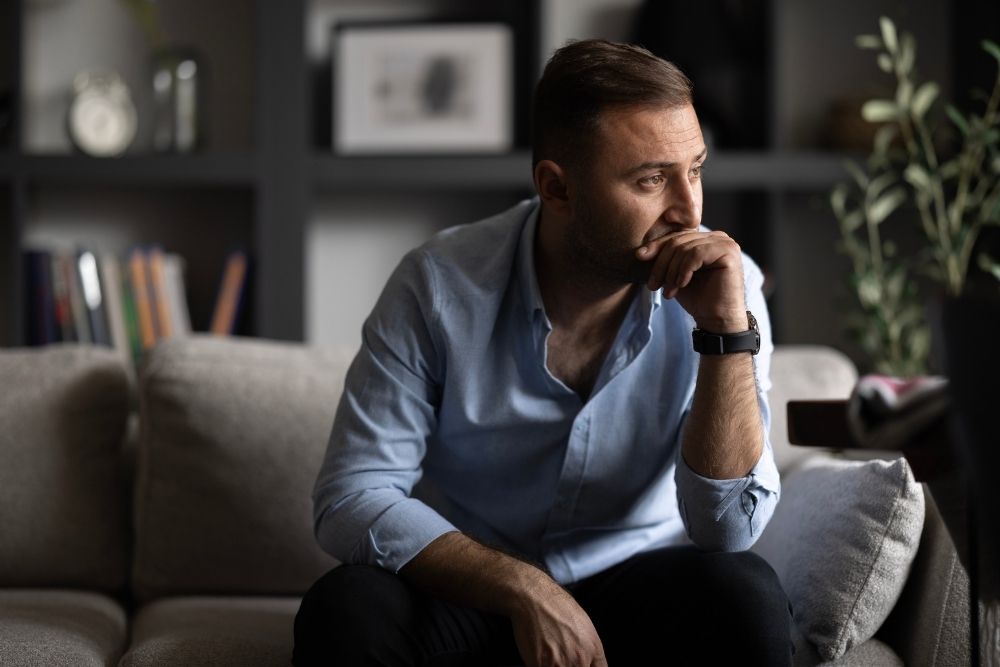
Relapse is the return to substance use. It happens to many people on the addiction recovery track. Relapse is not failure. It is a step on this path, and it is one that you will prepare for and manage with our support if it happens to you.
At Iron Bridge Recovery Center, we prioritize your immediate health needs and then your future. Our relapse prevention programs enable you to learn the skills to act before relapse occurs, and what to do if it does.
Why SUD Relapse Happens
Many factors contribute to relapse. Data across various studies show that 60% of people recovering from a substance use disorder (SUD) will relapse. The following are common reasons SUD relapse happens:
- People and places: Being around people or visiting locations that have meaning to you related to your substance use, trauma, or past in general, can trigger you. You may start to have positive feelings about those times. Or, you may have intensely bad experience memories.
- Changes to your health: Some people face substance use relapse due to changes in health, such as the worsening of a health condition or the need to return to pain medications.
- Life changes: Significant changes in your life can cause added stress. This may include leaving a job or starting a new one. It may be the end of a relationship. Not managed well, stress can cause you to turn to substances.
- Intense emotions: Fear, anger, guilt, or other negative emotions can trigger intense feelings that cause you to reach out to substances for relief. That’s especially true if you used substances in the past as a coping mechanism for these emotions.
- Dates: Some people face an increased risk of relapse around certain dates, such as holidays or birthdays of people they lost.
- Unresolved mental health trauma: Not dealing with past trauma, depression, and anxiety can also be a trigger. A memory can bring back intense feelings that your brain does not know how to properly manage.
When relapse happens, or if you believe you could relapse from SUD, immediately get help. Go to a meeting, contact your mentor, or call us for 24/7 immediate help. Preserving your recovery journey can happen with just a call.
Emotional, Mental, and Physical Relapse Explained
Relapse happens in various ways. It’s not always about the use of a substance. Consider the following three forms of relapse, which often present in stages in this order, and how they impact your future.
Emotional Relapse
This is the first stage of relapse from SUD. It happens to most people at various times, and many times, you do not notice it. It can happen without the thought of using a substance again. But you feel waves of change, such as periods of guilt, fear, and frustration. These intense feelings may lead to:
- Avoiding people or groups where you may be more willing to open up to, because you’re not willing to do so
- Changes in the way you comfort yourself, including how much you eat or sleep
- Bottling up and hiding feelings and thoughts from others
- Isolation from people and activities you long enjoyed
Mental Relapse
In mental relapse, your brain starts to make the connection between those negative feelings and finding a solution. Your thoughts drift back to those substances again. Your brain is programmed to seek out something that can offer it relief from intensity like this. It remembers your use of substances, providing that relief.
In mental relapse, you may start to crave the substance. This starts slowly, often with just thoughts of it. Then, you may notice your thoughts shifting to “why not” or “it was easier then.” This is when it’s absolutely time to reach out for help.
Physical Relapse
The final stage of relapse occurs when you reach for the substance. Some people may have a single one-time mess-up. Others face the need to continually use the substance again.
Almost everyone faces a return to substance use at some point. What you do in this moment matters to your future. By getting help now, even if you already used a substance, you can pull back, regain focus, address why this happened, and find a treatment plan.
How to Get Help When Relapse Is Developing
If you are facing the intensity of negative thoughts, emotional, mental, or physical relapse, or you just need help, get it right now. Our team at Iron Bridge Recovery Center is available to provide support to you 24/7. If you cannot get to us, contact 988 for immediate help.
You worked hard. Relapse may seem to be taking that away from you. That’s not the case. This is the next step in the battle, but we’re here to help you through it.