
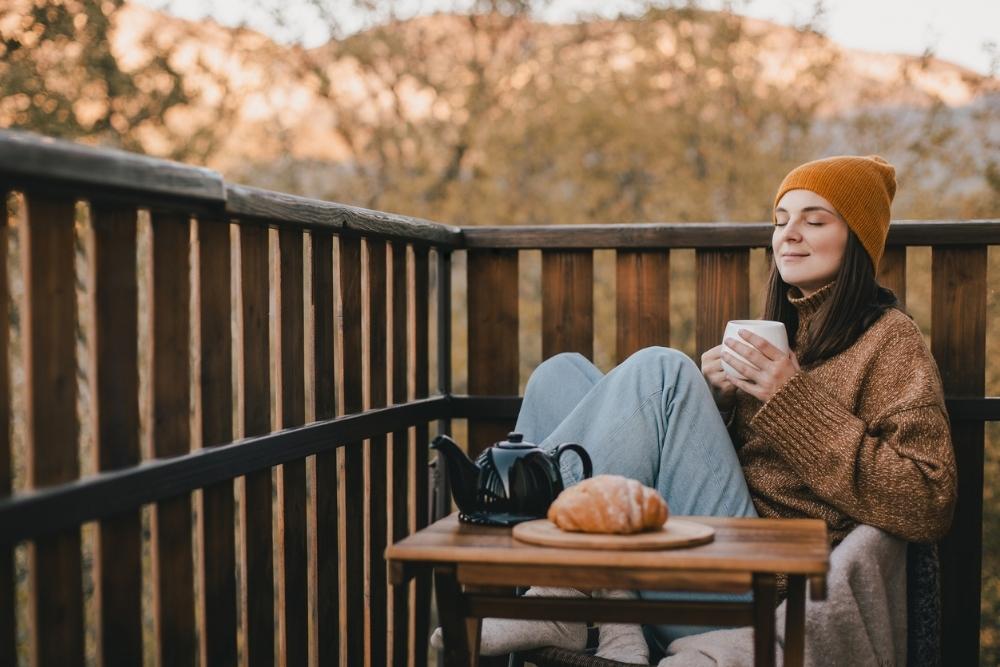
Are you grateful?
It seems like a simple question. For a person with a substance use disorder (SUD), being grateful can be an understatement. Those first few months without the substance are hard, but once you start to regain clarity and control over your thoughts, you feel a bit more thankful.
Why does being grateful matter in addiction recovery? You certainly may not feel grateful for all you’ve gone through and the pain or trauma you feel every day. So, why does it matter if you express gratitude consistently?
At Iron Bridge Recovery Center, our addiction treatment program is always focused on helping you build gratefulness into every aspect of your life.
The Benefits of Being Grateful
Living with a grateful heart can do far more for you than you may realize. Studies have been done to look into what developing feelings of performing acts of gratitude can mean. In one research study that compared the outcomes of 64 randomized clinical trials, researchers found that most people who learned to express gratitude saw benefits, including more positive feelings and emotions.
Being grateful during your addiction recovery could help you in several ways:
- It boosts resilience, creating a better way for you to cope with adversity when it hits you. That’s because, in those difficult moments, such as when you’re thinking about addiction relapse, the positive aspects of gratefulness can seep in. That could give you a better perspective.
- Grateful hearts are happier. There is a clear link between people who express gratitude and happiness. It’s simply better for your mental health to focus on the good and not just the bad in daily life.
- Being grateful can help you ease depression. For those with co-occurring disorders, expressing your thankfulness on a consistent basis could help you improve your overall mental health.
- It reduces stress. That leads to a wide range of potential benefits, including improved cardiovascular health, improved sleep quality, and lower pain levels.
- Allows you to process negative members more effectively. Being grateful consistently allows your brain to work through those difficult pasts and may even help transform them into positive experiences.
You cannot, and should not, erase the pain you feel or try to sidestep trauma, stress, or depression by just focusing on the good in your life. However, changing your thought patterns, even for a short amount of time, could give you a refreshed experience.
You may do your best on any given day to avoid addiction triggers. Yet, having the tools to manage those difficult moments is also important.
How to Have a Grateful Heart During Addiction Recovery
To cultivate a sense of gratitude in your life, there are several questions or thoughts to consider on a daily basis. Answer these questions for yourself.
- What makes you feel lucky today?
- What are some things that make you feel important and valuable?
- What are you excited to experience soon?
- What did your struggle do for you? Teach you compassion? Perhaps make you stronger?
- What small thing right now could improve your day?
- What would make your inner child happy today?
- What lesson did you learn from a tough recent experience that improved your quality of life?
Reflecting on thoughts like these can be a very important way for you to build gratitude in your daily life. And, as you do, you’ll learn more than in the past about what you’ve learned and overcome in your addiction recovery.
Try This Process…
Some days in addiction recovery are seriously hard days. They seem impossible not to be stressful and strained. During these times, there is a simple exercise that may help you reframe your negative thoughts to make the best out of the situation.
Look at the tough situation you are dealing with today, even right now. Take a few deep breaths, and then ask yourself, “What does this bad thing do for me?” The “bad” aspect of this moment is no less important, but having this frame of mind allows you to interject something positive into the situation.
“This… It’s really bad, but it will…”
Find Ways to Express Yourself
Another step towards cultivating gratefulness in your daily life simply means finding a way to be creative. Let your brain rest for a moment and let your personality, spirit, and soul go to work. This could mean using music, art, or another valuable tool for you.
Finding Time for Help Matters
There are some situations where your addiction may feel incredibly intense, and the world may feel just too hard. In those moments, seek help. Our team at Iron Bridge Recovery Center is always available to guide and support you through this process. Set up a call with us now to learn what we can do to guide you.